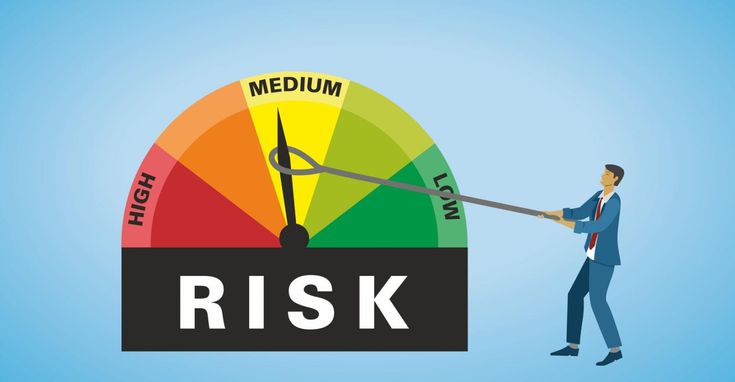
A Practical Guide to Understanding Risk Management
- Posted by GRMI
- Categories Blog, pgdrm blog
- Date March 3, 2026
A Practical Guide to Understanding Risk Management
Risk management is the process of identifying, evaluating, and mitigating potential risks that could affect an organisation’s objectives. It involves recognising uncertainties in business operations, finance, compliance, and strategic planning. Effective risk management helps organisations anticipate challenges and take informed decisions. Students can gain knowledge in this field through structured study and practical case analyses.
By understanding risks, businesses can protect resources, ensure compliance, and maintain sustainable growth. Risk management is not limited to finance; it applies across operations, strategy, and governance. Professionals use systematic approaches to identify threats and assess their potential impact.
Importance of Risk Management
Businesses face risks every day, from financial losses to operational disruptions. Identifying and addressing these risks helps maintain stability and resilience. Companies in finance, insurance, manufacturing, and healthcare rely on risk management to protect their assets and reputation.
Regulatory compliance is another critical area. Organisations must follow laws and standards to avoid penalties and maintain stakeholder trust. Proper risk management frameworks ensure adherence to these regulations efficiently.
Operational risks, such as supply chain disruptions or technology failures, can also affect business continuity. Risk management strategies allow companies to anticipate and mitigate these challenges proactively.
Furthermore, risk management provides a structured approach to decision-making. By evaluating potential threats, businesses can make informed choices rather than reactive decisions. It also supports long-term planning, investment decisions, and resource allocation.
Educational Pathway
Students interested in risk management can pursue structured programmes to develop expertise. For example, the Post Graduate Programme in Risk Management at GRMI offers insights into real-world financial, operational, and strategic risk challenges. Such programmes help learners understand risk frameworks, assessment techniques, and regulatory requirements.
Students also gain familiarity with regulatory frameworks, reporting standards, and industry best practices.
Such courses prepare professionals to handle real-world challenges and provide analytical and strategic skills. Knowledge gained can be applied in finance, corporate strategy, operations, and consulting roles effectively.
Skills Covered in Risk Management
Risk Identification
Students learn to recognise internal and external risks, including operational, financial, and strategic threats.
Risk Assessment Techniques
Techniques like probability analysis, impact evaluation, and scenario planning are taught to prioritise risks effectively.
Enterprise Risk Management (ERM)
ERM provides a holistic approach, integrating risk considerations across all business functions and aligning them with organisational objectives.
Regulatory Risk
Students gain knowledge about compliance, legal frameworks, and reporting requirements across industries.
Credit and Market Risk
Risk management programmes also teach how to analyse creditworthiness, market fluctuations, and financial exposures.
Developing these skills allows professionals to contribute meaningfully to decision-making and strategic planning in organisations.
Career Opportunities
Knowledge of risk management opens various career paths.
Consulting
Professionals can advise businesses on risk frameworks, compliance, and strategic risk solutions.
Corporate Risk Roles
Organisations hire specialists to manage operational, financial, and regulatory risks internally.
Other areas include financial institutions, insurance companies, and multinational corporations, where structured approaches to risk are critical. Professionals may also work in project management, auditing, and governance functions.
Students with practical exposure and theoretical knowledge become valuable assets for organisations seeking to maintain resilience and long-term stability.
Conclusion
Risk management is a critical function in today’s business environment. It equips organisations to anticipate challenges, protect resources, and make informed decisions. Students can gain knowledge through structured risk management programmes, preparing them for diverse roles in consulting, finance, and corporate operations.
By developing skills such as risk identification, assessment, ERM, and regulatory compliance, professionals remain relevant and effective in complex business landscapes. Risk management education emphasises practical application, decision-making, and analytical thinking.
Understanding risk is not just about avoiding losses. It supports strategic growth, compliance, and sustainable operations. Structured learning pathways ensure that students can contribute meaningfully to their organisations from day one.
FAQ's
What is risk management?
It is the process of identifying and mitigating potential business threats.
Why is risk management important?
It helps organisations avoid losses and make informed decisions.
What skills are learned in risk management?
Students learn risk identification, assessment, ERM, and regulatory compliance.
Which careers use risk management skills?
Consulting, corporate risk roles, finance, and operational management.
Can students gain practical knowledge?
Yes, structured programmes combine theory, case studies, and real-world simulations.
Tag:risk management
You may also like


How to Land a Consulting Job in 2026 Without an MBA