
Future of Post Graduate Degree Programmes in India
- Posted by GRMI
- Categories Blog, pgdrm blog
- Date December 4, 2025
Future of Post Graduate Degree Programmes in India
The Indian higher education system is changing fast. Postgraduate programmes are evolving to meet employer needs, new technologies, and regulatory updates. Students and working professionals now look for courses with strong subject depth, practical skills, industry exposure, and clear career outcomes.
This guide explains key trends in post graduate degree, what graduates should consider, how to choose the right course after graduation, and an example of a specialised programme: the PGDRM at GRMI.
Major trends shaping postgraduate education
Regulatory reform and flexible pathways
The National Education Policy and new degree rules are creating flexible learning routes. Students can now build credits, mix research with coursework, and pursue interdisciplinary modules. Universities are designing post graduate courses that support credit mobility and industry-linked qualifications.
Industry-aligned and work-based learning
Many institutes now work closely with employers to design relevant curricula. They offer internships, live projects, and part-time or evening classes for working learners. This shift has increased the number of programmes with strong industry integration and real workplace exposure.
Rise of targeted postgraduate diplomas
One-year specialised diplomas in finance, risk, analytics, cybersecurity, compliance, and ESG are gaining popularity. These diplomas offer job-ready skills faster than many two-year degrees.
Market growth and skill demand
The Indian higher education market is expanding fast. There is strong demand for both traditional master’s degrees and shorter professional courses. Sectors such as fintech, data analytics, risk management, and cybersecurity need postgraduates with focused and applied training.
Courses after B.Com: key options
B.Com graduates often explore:
- Postgraduate Diploma in Financial Management / Accounting and Taxation – shorter, direct routes to finance and tax roles.
- CA / CS – established professional qualifications with high domain value.
- PGDRM (Postgraduate Diploma in Risk Management) – ideal for students who want careers in enterprise risk, financial risk, compliance, and related fields.
Choose a course that matches your career goals in finance operations, analytics, corporate finance, audit, compliance, or strategy.
Making the right decision after graduation
Match your career goals: Shortlist 2–3 roles you want and check the qualifications employers prefer.
Review the curriculum: Look for live projects, internships, and proven placement support.
Check faculty and industry links: Courses taught by industry professionals offer stronger workplace readiness.
Consider time and cost: One-year diplomas help you enter the job market faster. Longer degrees suit those aiming for leadership roles.
Check recognition: Review the national recognition of the diploma or degree and any international ties.
As you assess these factors, you will notice that some programmes stand out for their industry depth and practical design. One such programme is the PGDRM offered by GRMI. GRMI runs a one-year, industry-aligned course in risk management. It trains students in financial, operational, and technology risks through real projects and industry mentorship. This background explains why many learners choose PGDRM.
Why many learners choose PGDRM
The Post Graduate Diploma in Risk Management is a one-year, industry-led programme. It covers risk frameworks in finance, IT, cyber, ESG, and enterprise operations. The course supports careers in risk, compliance, internal audit, and roles that require strong assessment of enterprise exposure.
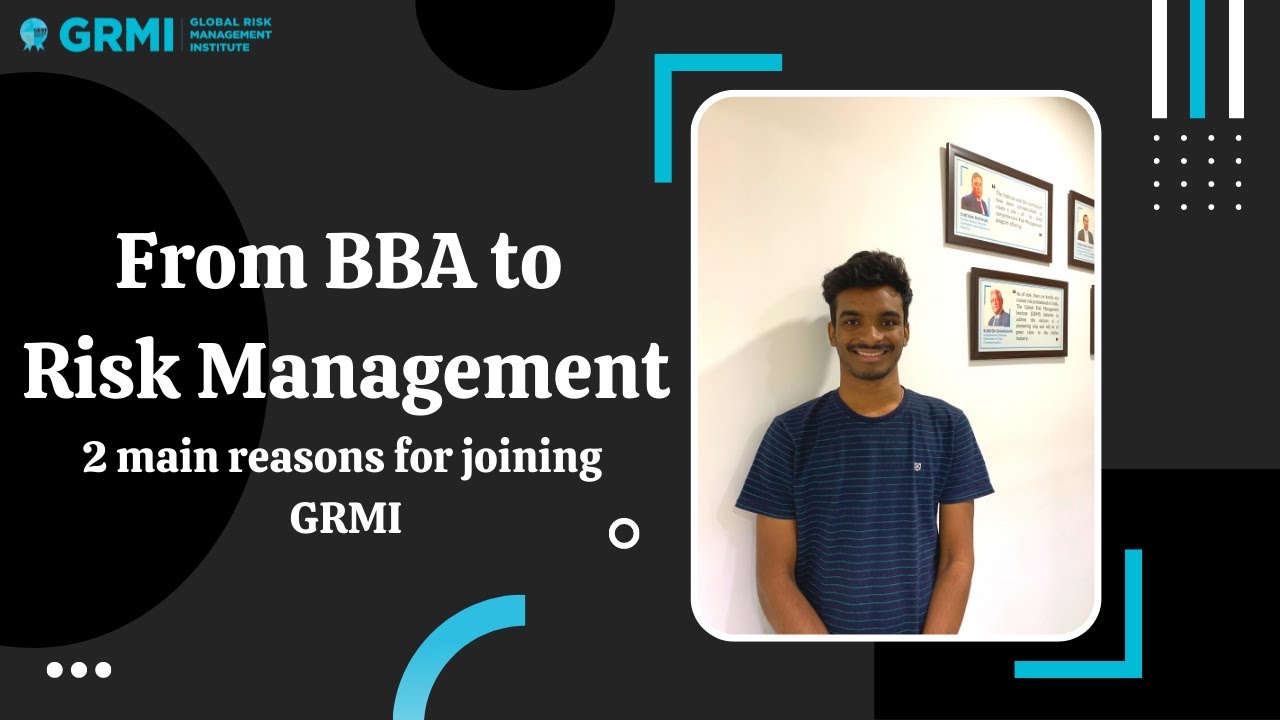
Here’s a short student video that shows how learners transition from a BBA background to the PGDRM programme.
Practical tips for applicants
- Ask for detailed syllabi and placement reports before enrolling.
- Speak to alumni or current students to verify placement claims.
- Consider evening or work-integrated courses if you want to earn while studying.
- Build skills in data analytics, Excel modelling, and BI/reporting tools. These are essential for most roles today.
Conclusion
Postgraduate education in India now values flexibility, industry relevance, and skills-first pathways. These newer models support traditional academic options rather than replace them. There is no single “best” postgraduate course. Your ideal choice—whether a one-year specialised diploma, a modular certificate, or a two-year master’s degree—depends on your goals and the outcomes you expect from the programme.
For learners seeking a practical, industry-driven path in risk management, GRMI’s one-year PGDRM programme fits well within this new skills-focused landscape.
FAQ’s
Q1: What is the difference between a postgraduate degree and a postgraduate diploma?
A postgraduate diploma usually lasts 6–12 months and focuses on specific job skills. A postgraduate degree (master’s) lasts 1–2 years and includes deeper academic and research learning.
Q2: Do employers recognise one-year PG diplomas?
Yes. Employers value one-year diplomas that are industry-aligned, project-based, and supported by strong placement outcomes. Recognition may vary by industry and role.
For any queries please fill the form
You may also like

Start Finance Career After Graduation Without MBA