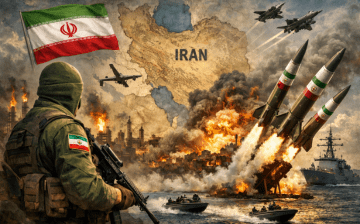
Geopolitical Risk in the Gulf: Understanding Iran’s Retaliatory Strikes
Geopolitical Risk in the Gulf: Understanding Iran’s Retaliatory Strikes
The Gulf region faces a sudden surge in geopolitical risk following Iran’s retaliatory missile and drone strikes. These attacks directly followed US and Israeli military action targeting Iranian strategic sites, creating immediate and cascading threats for the region. For organisations, investors, and governments, understanding these events is crucial to anticipating and mitigating potential operational, financial, and security risks.
Origins of the Crisis
The crisis began on 28 February 2026, when US and Israeli forces conducted a series of strikes on Iran, focusing on missile bases and military infrastructure. Iran responded swiftly with hundreds of ballistic missiles and unmanned aerial drones aimed at strategic locations across Gulf states, including the United Arab Emirates, Kuwait, and other allied nations. The escalation demonstrates how regional conflicts can rapidly expand and generate multidimensional risks.
The speed and intensity of Iran’s retaliation highlight the importance of real-time risk monitoring for businesses, governments, and financial institutions operating in geopolitically sensitive regions. Even countries that are not direct participants in a conflict can experience disruptions from airspace restrictions, supply chain delays, or market instability.
Impact on Gulf States
United Arab Emirates
Dubai and Abu Dhabi, key hubs of tourism, finance, and commerce, experienced the most immediate effects. Missile interceptions prevented many strikes, but several drones and missiles struck airports, urban areas, and industrial infrastructure, causing casualties and property damage.
Travel and logistics faced major disruptions, with international flights suspended, cargo rerouted, and ports temporarily closed. These events underline the critical operational risks organisations face when sudden geopolitical events affect transport and supply chains.
Regional Market Volatility
Financial markets reacted swiftly. UAE stock exchanges temporarily suspended trading, while regional indices in Saudi Arabia, Kuwait, and Oman recorded significant declines. The crisis demonstrates the vulnerability of financial systems to geopolitical shocks, emphasising the need for scenario planning and stress testing in investment portfolios exposed to volatile regions.
Energy markets also experienced price fluctuations due to the Gulf’s strategic role in global oil and gas supply. Even minor interruptions in the region can have global economic consequences, illustrating the interconnection between regional instability and international risk exposure.
Operational and Human Risks
The attacks exposed operational vulnerabilities across civilian infrastructure. Airports, hotels, and commercial districts were at risk, while emergency response systems were tested under extreme conditions. Organisations with staff, assets, or supply chains in the region must assess contingency measures and ensure robust communication and evacuation protocols.
Human risks are equally significant. Casualties, injuries, and displacement add a humanitarian dimension to operational and financial threats. Employees and residents require timely information, while companies must prepare for humanitarian, legal, and reputational implications arising from conflict exposure.
Travel and Aviation Risks
Airspace closures were immediate after the attacks, affecting airports in Dubai, Abu Dhabi, Kuwait, and Doha. Thousands of passengers were stranded, demonstrating the impact of geopolitical crises on global mobility. Organisations reliant on travel must consider alternative routes, insurance coverage, and flexible operational planning.
Similarly, cargo and logistics operations face delays, which can affect production cycles and revenue streams. Risk managers must evaluate dependency on regional hubs and explore contingency solutions to maintain continuity.
Strategic and Political Risks
Iran’s actions signal a willingness to expand regional conflicts beyond immediate targets, which increases uncertainty for governments and multinational organisations. Strategic risks include the potential for broader conflict, international sanctions, and diplomatic retaliation. Policymakers and companies must consider how rapid shifts in regional stability can affect long-term strategic planning.
Impact on India from a Risk Perspective
India maintains strong economic and energy ties with the Gulf, relying heavily on oil imports, trade, and remittances from expatriates. Geopolitical disruption can influence energy security, drive up fuel prices, and affect inflation.
Additionally, India’s businesses operating in Dubai, Abu Dhabi, and other Gulf cities face operational and financial exposure. Airspace restrictions, employee safety concerns, and logistics delays can disrupt supply chains and revenue streams. Risk managers in India must incorporate scenario planning for regional crises to protect personnel, assets, and financial stability.
The human dimension is also notable. Millions of Indian expatriates live in the Gulf, making employee welfare and emergency evacuation planning a critical organisational responsibility.
Conclusion
The Gulf crisis demonstrates how geopolitical events can rapidly transform into multifaceted risks affecting operations, finance, human safety, and strategic planning across the globe. India, alongside other nations, faces energy, trade, and personnel risks that highlight the importance of proactive monitoring, adaptive strategies, and robust contingency planning.
For continuing coverage and real‑time insights on this developing crisis, follow GRMI for timely updates and expert risk analysis.
FAQ's
Q1: Why did Iran target Gulf states?
Ans: Iran’s strikes were a direct response to US and Israeli military action against Iranian sites, aiming to signal strength and deter further attacks.
Q2: Who is affected by these attacks?
Ans: Civilians, employees, investors, and international travellers in the Gulf are at risk, alongside organisations with regional operations or supply chains.
Q3: How should organisations respond to such risks?
Ans: Businesses should implement risk monitoring, contingency planning, operational continuity measures, and travel safety protocols.
Q4: What financial risks arise from geopolitical crises?
Ans: Stock market volatility, commodity price fluctuations, investment uncertainty, and supply chain disruptions can all impact financial stability.
Q5: Are there long-term implications?
Ans: Yes. Extended instability may influence regional security policies, international relations, energy markets, and global trade routes.
You may also like


How to Land a Consulting Job in 2026 Without an MBA