
How One-Year PG Diplomas Build Practical Skills With Real-World Training
- Posted by GRMI
- Categories Blog, pgdrm blog
- Date January 6, 2026
How One-Year PG Diplomas Build Practical Skills With Real-World Training
Author: Harshita
One-year PG diploma programmes focus on real-world training to help learners build practical, job-ready skills quickly. This blog explains how hands-on projects, case studies, industry collaborations, and internships bridge the gap between academic learning and workplace expectations, enabling students to gain confidence, apply knowledge in real scenarios, and improve their career prospects.
Today, practical skills often matter more than academic credentials in competitive professional environments. Employers now seek professionals who think critically, manage risk, and make informed decisions from day one.
This shift has increased the value of one-year postgraduate diploma programmes among graduates and working professionals. Unlike traditional degrees, these programmes prioritise application-based learning over purely theoretical instruction.
A strong example is the PG Diploma in Risk Management (PGDRM) offered by the Global Risk Management Institute (GRMI). The programme integrates industry relevance and experiential learning into every stage of its academic structure.
Why Practical Learning Matters More Than Ever
Modern businesses operate in fast-changing technological and regulatory environments. Organisations therefore require professionals who can adapt quickly and respond to emerging risks.
Professionals must demonstrate the ability to apply theoretical knowledge in real business situations. They need to analyse live data and evolving risk scenarios with clarity and precision. In addition, they must solve problems under pressure and justify their decisions through structured, well-reasoned approaches.
The Traditional courses after graduation often build conceptual understanding without practical exposure. PG Diploma programmes focus on developing workplace-ready skills through real-world application.
GRMI’s PGDRM reflects this approach by embedding practical learning throughout the programme structure. Students enter the programme with clarity about workplace expectations and career requirements.
Why Internships Matter for Future Risk Professionals
Internships play a critical role in preparing students for professional risk management roles. They expose students to real organisational structures and decision-making processes.
Through internships, students gain direct insight into how organisations manage risk. They understand how risk functions influence business strategy and operations.
Internships also allow students to work alongside experienced risk management professionals. Students build professional relationships that support long-term career growth.
These experiences help students understand employer expectations and required skill sets. Internships also allow students to demonstrate value within real organisational environments.
Successful completion of PGDRM ensures students develop confidence and professional readiness. Graduates enter the workforce with practical exposure and applied risk management skills.
The Role of Networking in Risk Management Careers
Networking plays a vital role in long-term success within risk management professions. Strong professional relationships often influence career opportunities and industry credibility.
Internships provide structured opportunities to build meaningful professional networks. Students interact with peers, mentors, employers, and industry leaders.
These interactions expose students to multiple career pathways within risk management. They also help students understand industry expectations across different sectors.
Effective networking enhances learning, career mobility, and professional visibility. It remains a critical outcome of structured, practice-oriented pg diploma programmes.
Bridging the Gap Between Education and Employment
Many graduates struggle to transition smoothly from academic learning to professional environments. This gap often arises due to limited exposure to real workplace challenges.
GRMI’s PGDRM addresses this challenge through a structured blend of theory and application. The programme creates a clear bridge between academic concepts and professional execution.
GRMI’s PGDRM bridges this gap through the following approaches:
- Industry-aligned curriculum: Course content reflects real organisational risk challenges across sectors.
Live case studies: Students analyse real business risks rather than hypothetical classroom examples.
Practical projects: Learners apply risk frameworks to current industry scenarios.
Internship exposure: Students gain first-hand experience within professional risk environments.
Mentorship support: Industry experts guide students on expectations and workplace decision-making.
Skill-focused training: Emphasis remains on problem-solving, analysis, and professional judgement.
Students receive strong foundational knowledge alongside continuous practical exposure. They work on industry-driven problem-solving exercises throughout the programme.
Watch this video to hear an alumnus share their PGDRM experience.”
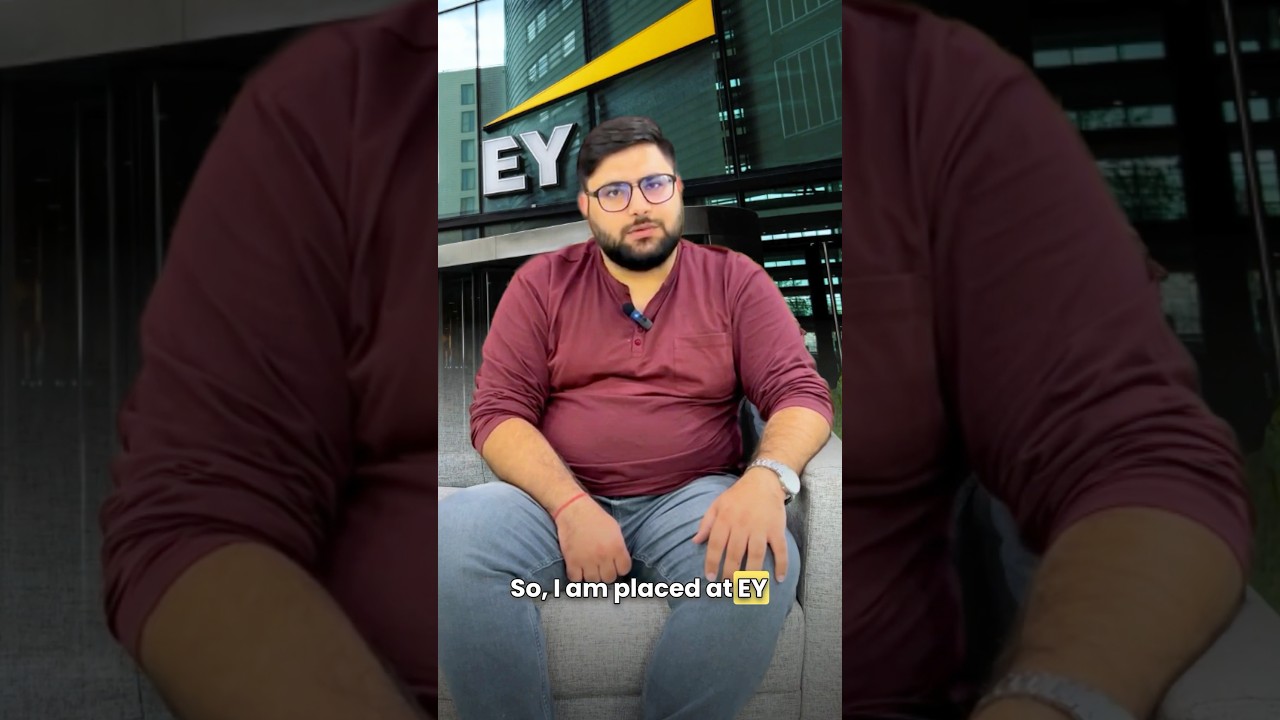
This approach prepares students for immediate workplace contribution. It also helps them adapt quickly within dynamic and evolving business environments.
Final Thoughts
Choosing the right educational programme shapes long-term career outcomes. Institutions that prioritise practical training and industry exposure deliver stronger employability outcomes.
One-year PG diplomas focused on real-world learning accelerate professional development. They help students gain clarity, confidence, and workplace readiness.
The PGDRM offered by the Global Risk Management Institute provides a balanced academic structure. It combines theory, practical exposure, and internship experience within a focused one-year format.
For individuals seeking a sustainable career in risk management, PGDRM offers strong value. Investing in this programme supports long-term professional growth and industry relevance.
FAQ's
- What makes GRMI’s PGDRM different from other PG diplomas?
PGDRM focuses on real-world learning through case studies, internships, and applied risk management exposure. - Is PGDRM suitable for fresh graduates?
Yes, the programme suits fresh graduates, early professionals, and working professionals alike. - Does PGDRM include hands-on industry exposure?
Yes, the programme includes structured internships and practical engagement with industry scenarios. - What career roles can PGDRM graduates pursue?
Graduates can work as Risk Analysts, Risk Consultants, Compliance Officers, or Governance Professionals. - Does GRMI support placements after programme completion?
Yes, GRMI supports students through industry connections, internships, and alumni networking opportunities.
For any queries, please fill out the form
Tag:pg diploma
You may also like

Start Finance Career After Graduation Without MBA