Career in Consulting: A Structured Path for Indian Graduates
- Posted by GRMI
- Categories Blog, pgdrm blog
- Date January 7, 2026
Career in Consulting: A Structured Path for Indian Graduates
A career in consulting remains one of the most sought-after options among Indian graduates today. The appeal lies in solving complex business problems, working across industries, and accelerating professional growth.
However, transitioning from a fresh graduate to a consultant at a leading firm requires more than ambition. It demands a clear roadmap, relevant skills, and strong academic and industry support.
This guide explains how graduates can navigate this competitive space effectively. It also highlights why specialised programmes like GRMI’s PGDRM are becoming a strong foundation for consulting careers.
What Is a Career in Consulting?
At its core, consulting involves advising organisations to improve performance, manage risks, or implement change. Consultants act as structured problem-solvers who help clients navigate uncertainty and make informed decisions.
In practice, consultants analyse data, diagnose business challenges, and recommend actionable solutions. Their work often supports leadership teams during critical moments such as expansion, compliance changes, or restructuring.
Consulting assignments may involve digital transformation, operational efficiency, regulatory compliance, or financial restructuring. In India, the consulting ecosystem spans management, strategy, risk, IT advisory, and operations consulting.
As Indian businesses scale globally and face tighter regulations, demand for consulting expertise continues to grow. Each consulting domain requires strong analytical thinking, structured problem-solving, and a solid understanding of business fundamentals.
Why Risk Consulting Is Gaining Importance
Many graduates are drawn to strategy consulting for its visibility and prestige. However, risk consulting has seen rapid growth due to changing business realities.
Organisations now face cyber threats, regulatory pressure, supply chain disruptions, and ESG-related challenges. These uncertainties have made risk-focused professionals essential across industries.
This is where specialised institutions like the Global Risk Management Institute (GRMI) play a crucial role. A risk-based skill set allows professionals to protect organisations while supporting sustainable growth.
GRMI: A Gateway to Consulting-Oriented Risk Careers
The Global Risk Management Institute, based in Gurugram, focuses on building risk-intelligent professionals. Its approach bridges the gap between traditional academics and real business requirements.
Rather than teaching theory in isolation, GRMI aligns learning with consulting and corporate expectations. This positioning makes it particularly relevant for graduates targeting consulting roles.
What Is the PGDRM at GRMI?
The Post Graduate Diploma in Risk Management (PGDRM) is GRMI’s flagship one-year, full-time programme.
It is designed specifically to prepare students for consulting firms and large global organisations.
Unlike general management programmes, PGDRM focuses on applied risk and governance domains, including:
- Enterprise Risk Management: Identifying and managing risks across organisational functions
- Operational and Financial Risk: Assessing process efficiency and financial stability
- Cyber and IT Risk: Managing technology-driven and information security risks
- Compliance and Governance: Ensuring alignment with regulatory and ethical standards
This integrated structure reflects the real responsibilities of risk consultants.
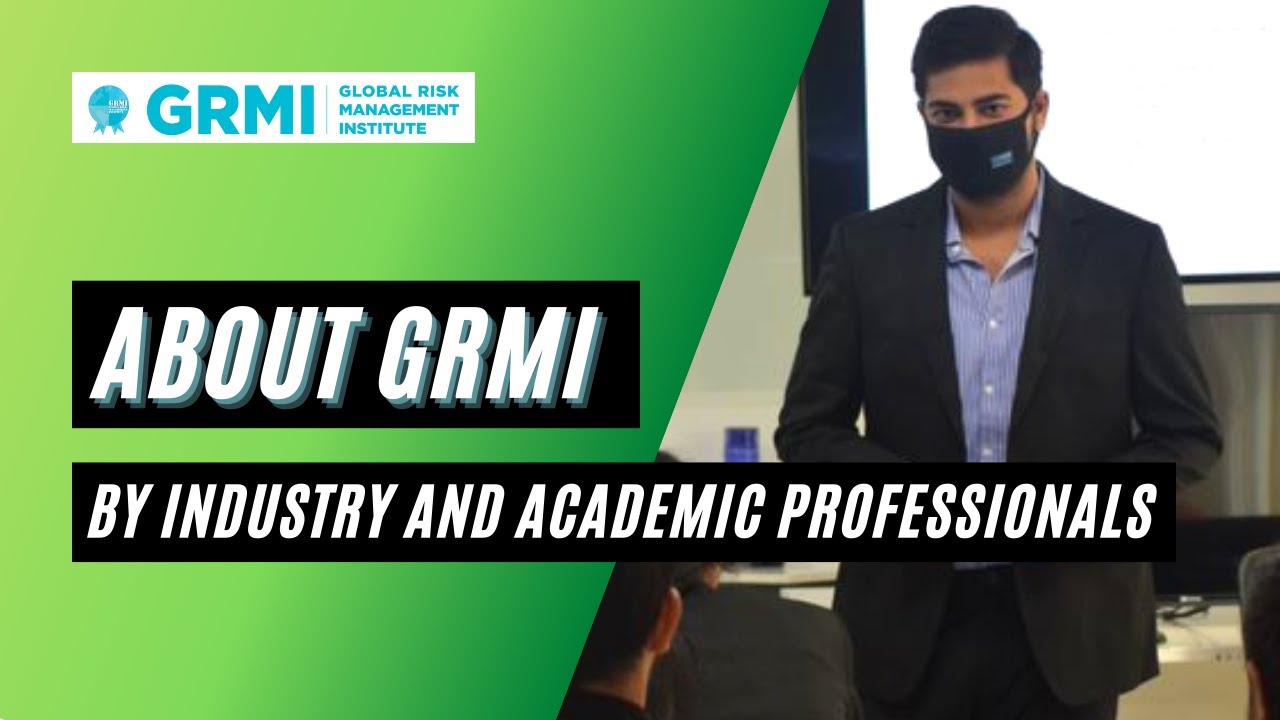
Hear directly from industry and academic experts about their experience with GRMI’s one-year PGDRM programme.
Why GRMI Stands Out for Consulting Aspirants
Industry-driven curriculum
The programme is designed with inputs from experienced professionals, including those from Big Four firms.
Strong placement outcomes
A significant proportion of graduates secure roles within consulting and risk-focused organisations.
Experiential learning model
The programme combines classroom learning with a mandatory internship for real-world exposure.
Global academic recognition
Students receive a PGDRM from GRMI along with a UK Level 7 Diploma from OTHM.
This combination enhances both employability and international academic relevance.
How to Become a Consultant After Graduation
1. Build a Strong Academic Foundation
Consulting firms value analytical rigour and consistency.
A solid academic record often serves as an initial screening criterion.
2. Develop Core Consulting Skills
Aspiring consultants must strengthen problem-solving, data analysis, and professional communication.
Tools like Excel, Power BI, and structured frameworks play a vital role.
3. Gain Specialised Risk Expertise
General degrees alone rarely provide differentiation in competitive hiring environments.
Programmes like GRMI’s PGDRM signal specialised, industry-relevant risk capabilities.
4. Leverage Internships and Networking
Consulting is relationship-driven. Internships, alumni interactions, and industry exposure often lead to long-term opportunities.
Salary and Long-Term Growth Prospects
Consulting remains a financially rewarding career path. Graduates from structured programmes like PGDRM often begin with competitive compensation packages.
With experience, consultants typically progress to senior consultant, manager, and leadership roles. Risk management skills also enable transitions into corporate leadership positions over time.
Conclusion
A career in consulting requires clarity, preparation, and strategic positioning. While competition is intense, choosing a niche like risk management creates a meaningful advantage.
GRMI has established itself as a focused institution supporting this transition through the PGDRM programme. By combining practical learning with industry alignment, it prepares students for sustainable consulting careers.
Graduates do not merely seek roles; they build long-term professional relevance.
FAQ's
- Is the PGDRM at GRMI suitable for fresh graduates?
Yes, the programme is designed for freshers and early professionals with up to four years’ experience. - Is a strong mathematics background mandatory for consulting?
Advanced mathematics is not required, but comfort with numbers and logic is essential. - Where do GRMI alumni work?
Alumni work across organisations such as EY, PwC, Deloitte, KPMG, Accenture, and large corporates.
For any queries, please fill out the form
You may also like

Start Finance Career After Graduation Without MBA