
Why Industry-Ready Skills Matter More Than Degrees Today
- Posted by GRMI
- Categories Blog, pgdrm blog
- Date December 20, 2025
How Specialized PG Programs Are Bridging the Industry–Academia Skill Gap
Author: Mansi
In today’s competitive job market, employers prioritise practical skills over traditional degrees. This blog explores how specialised postgraduate programmes are helping bridge the gap between academic learning and industry needs by focusing on hands-on training, real-world exposure, and skill development that prepares graduates to succeed from day one.
New graduates face a major challenge today. A clear gap exists between academic theory and practical workplace application. Rapid economic changes increase this gap further. Traditional degrees offer foundational knowledge but rarely prepare students for real corporate demands. Employers now expect role-ready skills from day one.
Post graduate courses help bridge this divide effectively. These programmes focus on applied learning rather than rote theory. Students develop industry readiness instead of holding only academic credentials. Learning shifts towards solving real business problems.
Why Specialised Programmes Are the Best Choice After Graduation
Choosing the best course after graduation shapes long-term career outcomes. General master’s degrees still hold value. However, specialised diplomas now attract greater interest for practical reasons.
These programmes adapt quickly to regulatory and technological changes. Learning relies on real business case studies instead of theory-heavy exams. Most courses last one year, allowing faster workforce entry. Industry-experienced faculty offer mentorship and professional networks.
Highlighting the PGDRM at GRMI
The Post Graduate Diploma in Risk Management (PGDRM) by Global Risk Management Institute addresses this skill gap effectively. Risk management plays a critical role in modern organisations. Undergraduate courses rarely cover it in depth.
GRMI designed PGDRM as a structured transition into professional risk roles. The programme supports careers in consulting, governance, and advisory functions. It prepares graduates for industry expectations from the start.
What Makes PGDRM Different?
PGDRM stands apart by combining academic depth with strong industry integration, ensuring graduates are ready for real-world risk roles.
One-year, full-time on-campus programme based in Gurugram, designed for focused and immersive learning.
Over 1,000 hours of structured training, covering both conceptual and applied aspects of risk management.
Comprehensive risk coverage, including strategic, financial, cyber, operational, and ESG risk areas.
Mandatory two-month internship, providing hands-on exposure within real organisational environments.
Industry-led faculty, including CXOs, Big 4 partners, and senior risk professionals.
Practical learning approach, using real business case studies and live industry scenarios.
Globally recognised qualification, approved by UK-based OTHM at Level 7.
Career-focused design, aligned with consulting, governance, and enterprise risk roles.
Real student journeys often explain career decisions better than theory. Many graduates shift from traditional paths after understanding industry expectations and skill requirements.
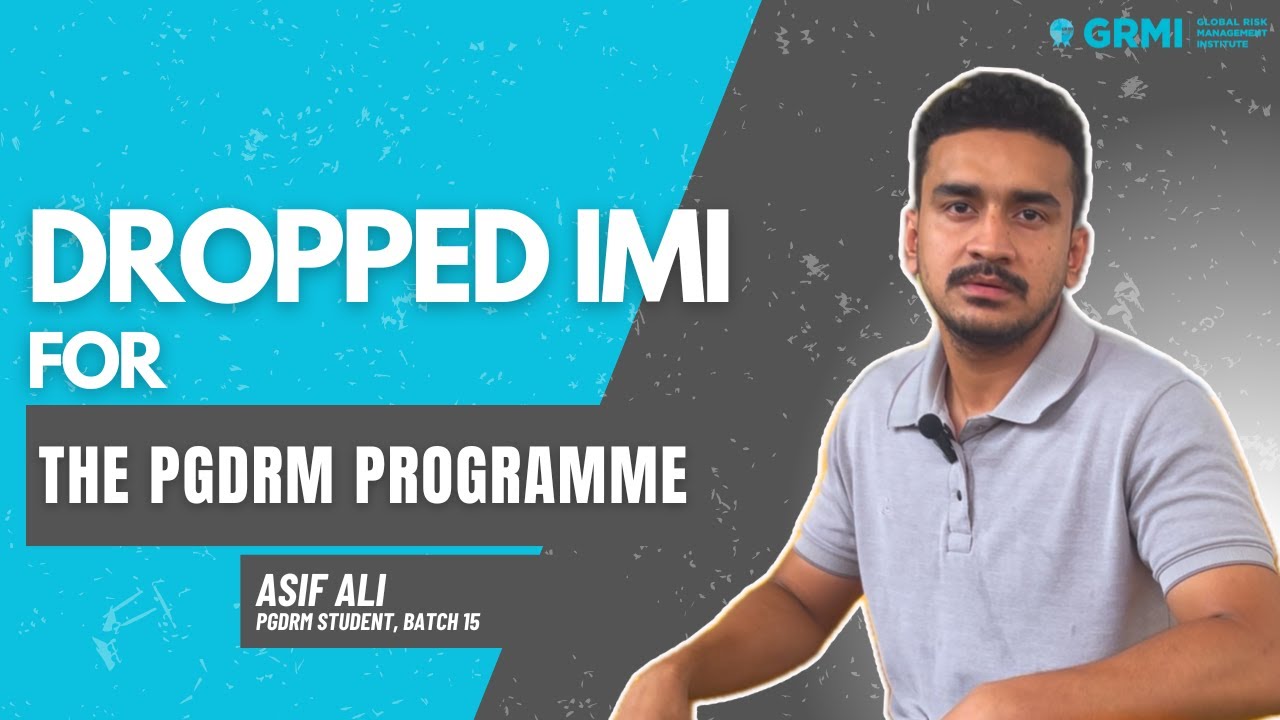
Asif Ali, a student from PGDRM Batch 15, shares his transition from pursuing an MBA to choosing risk management. He explains how GRMI’s industry-aligned structure and practical exposure influenced his decision.
Watch his experience here
Why Specialised PG Programmes Prepare You for Work
These programmes develop both technical and professional competence. Students learn to assess risk using data and global frameworks. This expertise adds immediate value to employers.
Strategic thinking also improves through real case analysis. Students identify patterns, assess failures, and recommend solutions. Professional grooming modules build confidence, communication, and workplace discipline.
Conclusion
Demand for specialised talent will continue to rise. Graduates now need market-relevant qualifications, not just degrees. Industry-aligned postgraduate courses reduce career uncertainty.
Programmes like PGDRM at GRMI prove this approach works. They convert academic knowledge into practical capability. For graduates seeking high-impact roles, specialisation remains a smart investment.
FAQ’s
Q1. Why choose a specialised PG diploma over a general master’s degree?
Specialised diplomas focus on applied skills and industry relevance, unlike many theory-driven master’s programmes.
Q2. How does a one-year programme benefit career growth?
It enables faster workforce entry, earlier experience, and quicker income generation.
Q3. Does PGDRM accept non-finance graduates?
Yes. Students from engineering, arts, and science backgrounds enrol successfully.
Q4. How does PGDRM differ from an MBA for risk-focused careers?
An MBA offers broad management exposure. PGDRM focuses specifically on risk, governance, compliance, and decision support roles.
Q5. Can PGDRM support career switches into risk management roles?
Yes. The programme suits fresh graduates and professionals shifting from finance, audit, IT, or operations into risk roles.
Tag:pg programs
You may also like

Alternative Career Options for UPSC Aspirants in 2026