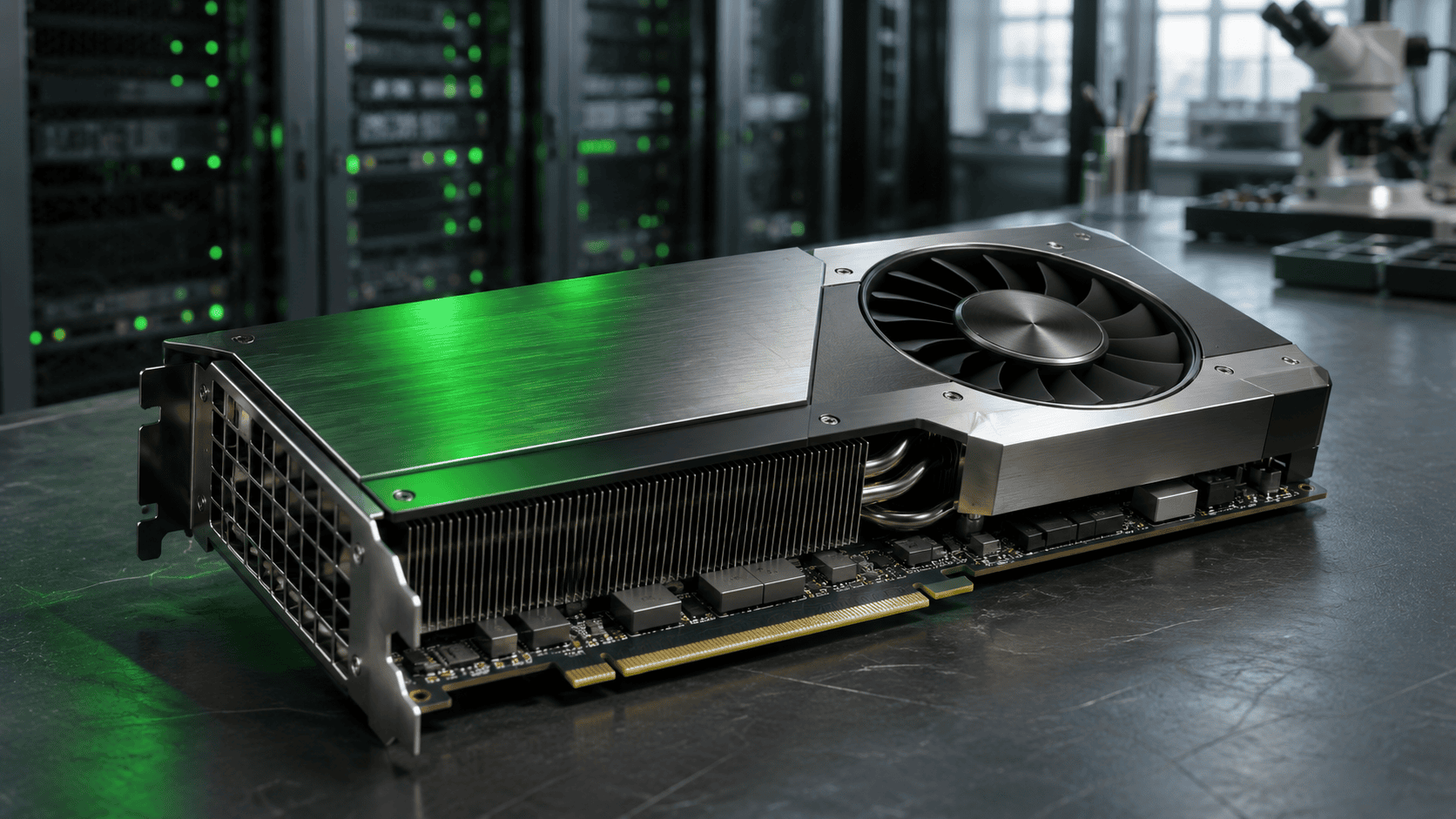
What Is the NVIDIA Case? Understanding the Recent Controversy (2026)
- Posted by GRMI
- Categories Blog, pgdrm blog
- Date November 14, 2026
What Is the NVIDIA Case? Understanding the Recent Controversy (2026)
Author: Jayant Palan
NVIDIA has come under scrutiny following reports that advanced AI chips may have been diverted through third-party companies to restricted markets. Alongside these developments, the company has announced a major leadership transition involving its co-founder and CEO, Jensen Huang.
NVIDIA: Understanding the Business Risks Behind a Global Technology Leader
NVIDIA has become one of the most recognised names in the global technology industry. Its graphics processing units (GPUs) are used in gaming, data centres, artificial intelligence (AI) and advanced computing. As businesses increasingly adopt AI-powered technologies, NVIDIA has established a significant position in the industry.
However, running a global technology company involves much more than developing innovative products and maintaining market growth. Organisations must also manage their supply chains, business relationships, legal responsibilities and regulatory obligations.
Recent developments at NVIDIA have brought these challenges into focus. Reports concerning the alleged diversion of advanced AI chips, investigations involving third-party companies and a major leadership transition have raised questions about how businesses manage risks across their operations.
What Is Happening at NVIDIA?
The recent controversy centres on reports that advanced NVIDIA AI chips may have been redirected to restricted Chinese customers through third-party companies. One company that has attracted attention is Megaspeed, a Singapore-based data centre and cloud computing business that purchased NVIDIA equipment.
Reports raised questions about whether some of the equipment purchased through such arrangements was being used as intended or potentially made available to customers in restricted markets. Investigations also examined equipment found at a data centre in Malaysia that reportedly remained in unopened boxes.
It is important to note that these are allegations and areas of investigation, not established findings of wrongdoing by NVIDIA or Megaspeed. Megaspeed has denied wrongdoing, while NVIDIA has stated that it had no reason to believe its products had been diverted.
Another major development took place on 12 November 2026, when NVIDIA announced that its co-founder and long-time CEO, Jensen Huang, had resigned as President, CEO and board member with immediate effect. Colette Kress, the company’s Chief Financial Officer since 2013, was appointed interim CEO. Harvey C. Jones was also appointed as the company’s first Chair of the Board.
Together, these developments highlight several business risks that global technology companies need to understand and manage.
What Are the Different Risks Associated with the NVIDIA Case?
1. Supply Chain Risk
One of the biggest concerns in the NVIDIA case is the reported diversion of advanced AI chips.
NVIDIA sells its processors to customers and business partners across different markets. However, reports suggest that some advanced chips purchased through third-party companies may have been redirected to restricted customers in China.
This highlights a supply chain challenge. A company may know who initially purchased its products, but tracking where those products eventually go can become difficult when several distributors, resellers and technology partners are involved.
For businesses, this underlines the importance of monitoring products beyond the initial sale, verifying customers and checking whether distributors are following agreed terms and applicable regulations.
2. Third-Party Risk
NVIDIA’s reported dealings with Megaspeed bring another important issue into focus: third-party risk.
Large technology companies rarely operate alone. They depend on distributors, suppliers, cloud service providers and other business partners to reach customers and expand their operations.
The concern in this case is whether activities involving external partners could expose a company to regulatory and reputational problems, even when those activities take place outside its direct control.
This is why organisations need to conduct background checks, regularly review business relationships and monitor the activities of third parties. Working with an external partner should not mean overlooking the risks associated with that relationship.
3. Regulatory and Compliance Risk
Advanced AI chips are subject to specific export regulations. Companies involved in their sale and distribution must ensure that products reach permitted customers and destinations.
The NVIDIA case highlights the challenges of monitoring compliance when products pass through multiple countries and intermediaries.
For instance, a company may sell technology to a customer in one country, but that customer could potentially make the technology or its computing capacity available to another business in a restricted market. This can create compliance concerns even when the original transaction appears legitimate.
Businesses operating internationally must therefore understand the regulations applicable to their products, customers and business partners. They also need systems to identify unusual transactions and investigate potential violations.
4. Information Security Risk
The controversy also raises questions about how technology companies protect sensitive business information when working with external partners.
Organisations in the technology sector handle confidential information relating to product development, customers, commercial strategies and future business plans. When several external parties are involved in business operations, controlling access to this information becomes particularly important.
Companies therefore need appropriate access controls, confidentiality agreements and procedures for reviewing sensitive business relationships. These measures can help reduce the possibility of confidential information being exposed to unauthorised individuals.
5. Reputational and Financial Risk
The developments surrounding NVIDIA have attracted considerable attention from investors, customers and the wider technology industry.
Concerns about chip diversion, business partnerships and regulatory scrutiny can influence how stakeholders view a company. The leadership transition has added another dimension to the developments, bringing questions about continuity and future direction into focus.
There can also be financial consequences through legal expenses, additional compliance requirements and market uncertainty. If customers or business partners lose confidence in an organisation, it may become more difficult to maintain existing relationships and secure future business.
For a company operating at NVIDIA’s scale, maintaining stakeholder confidence is important. Clear communication, responsible business practices and effective oversight can help organisations manage these concerns.
Why Is Enterprise Risk Management Important for Businesses?
One important observation from the NVIDIA case is that different business risks can be connected.
Concerns about the movement of AI chips can create supply chain and regulatory challenges. The involvement of external companies can introduce third-party risks, while questions about corporate oversight may affect stakeholder confidence. A leadership transition can also bring succession and strategic considerations.
Enterprise Risk Management (ERM) helps organisations look at these risks together rather than treating each one as an isolated concern.
It involves identifying potential risks, assessing their likelihood and impact, developing suitable mitigation strategies and continuously monitoring their effectiveness. This approach allows management teams to understand how different risks may influence business objectives and make more informed decisions.
Today, risk management is relevant across industries, not just in banking or financial services. Technology companies, manufacturing businesses, consulting firms, healthcare organisations and other sectors all face risks that require specialised attention.
Conclusion
NVIDIA’s recent developments offer an important example of the challenges that can arise within a successful global organisation. The reported chip-diversion concerns and leadership transition bring attention to the importance of supply chain monitoring, third-party oversight, regulatory compliance, information security and succession planning.
The larger takeaway is that business risks rarely exist in isolation. A development in one area can influence several other aspects of an organisation, making it important for businesses to take a broader view of risk.
For organisations looking to maintain stability and achieve sustainable growth, identifying potential risks and preparing for uncertainty must be an ongoing priority.
For more insights into business risks, corporate developments and emerging trends in risk management, explore the latest articles on the GRMI Blogs.
You may also like

Cybersecurity and Financial Fraud in India: 2026 Cases

12 Career-Focused Courses for BCom Graduates in 2026