India’s LPG Cylinder Shortage 2026: Risks, Causes and Immediate Impacts
- Posted by GRMI
- Categories Blog, pgdrm blog
- Date March 14, 2026
India’s LPG Cylinder Shortage 2026: Risks, Causes and Immediate Impacts
Jayant Palan
(Co founder and Director)
In early March 2026, India experienced severe disruptions in LPG supply, affecting households and businesses across major cities nationwide.
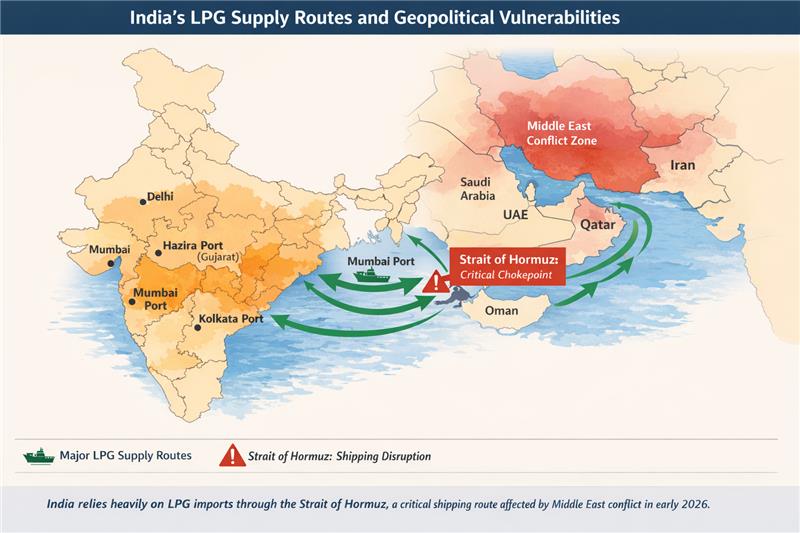
These shortages emerged due to a geopolitical conflict in the Middle East, disrupting energy shipments through the critical Strait of Hormuz.
India imports over sixty per cent of its annual LPG needs, primarily relying on Gulf suppliers, creating high supply dependency.
Current military escalations involving the United States, Iran, and allies have reduced LPG and crude oil shipments globally.
Even minor disruptions propagate quickly through domestic supply chains because India relies heavily on imported LPG for households and industry.
Government agencies reported that logistics were affected directly, as international carriers hesitate to transit conflict-prone areas amid tensions.
Government Priorities and Risk Response Measures
The Indian government invoked regulatory powers to prioritise household LPG supply while attempting to stabilise domestic market conditions.
Refineries were instructed to maximise LPG production for households while temporarily reducing allocations for commercial sectors across India.
Daily monitoring, real-time oversight, and central control rooms were deployed to counter misinformation and panic about LPG shortages.
Authorities emphasised that households remained protected, aiming to reduce hoarding and maintain balance between supply and demand effectively.
Non-priority commercial sectors like restaurants and hotels faced restricted LPG allocations, highlighting operational risks for small businesses nationwide.
Commercial Sector Stress and Secondary Risks
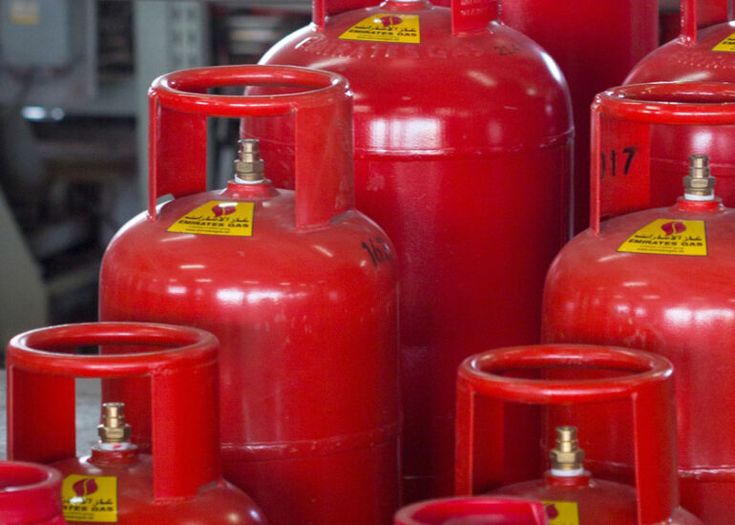
Commercial LPG cylinders, mostly larger nineteen-kilogram units, have become scarce or delayed, forcing many hospitality businesses to reduce operations.
Restaurants are switching to induction stoves or temporarily modifying menus due to irregular LPG deliveries affecting day-to-day operations.
Industry bodies, including the National Restaurant Association of India, warn that continued disruptions may cause closures and job losses.
Black-market activity has risen, with commercial cylinders resold at inflated prices, increasing risks related to safety and regulatory compliance.
Logistical challenges and panic bookings amplify perceived scarcity, even in areas where actual supply remains technically sufficient and available.
Geopolitical Risk and Supply Chain Vulnerabilities
This crisis demonstrates systemic risks, as external conflicts disrupt critical chokepoints and expose heavily import-dependent supply chains to vulnerabilities.
The Strait of Hormuz handles a large share of India’s inbound energy cargo, affecting shipment timings, insurance, and tanker availability.
Prolonged conflicts increase lead times, insurance costs, and tanker scarcity, amplifying risks for energy-importing countries like India significantly.
From a risk management perspective, diversifying supply sources and strategic stockpiles are essential to reduce exposure to external disruptions.
Improved forecasting models incorporating geopolitical risk indicators are critical to strengthen national energy security and domestic market resilience.
Household Implications and Public Response
Residents in cities such as Lucknow, Kolkata, and Bengaluru face long queues at LPG agencies, reflecting consumer urgency nationwide.
Temporary stockouts occur in some areas due to panic buying, despite official assurances that household supply remains sufficient and stable.
Social media discussions reveal mixed experiences, with some households reporting normal access while others cite delivery constraints and delays.
Students preparing for competitive exams can observe this scenario as a practical example of global events affecting domestic markets.
GRMI’s Post Graduate Programme in Risk Management explains operational and financial risk management, providing context for global supply disruptions.
Way Forward
India’s LPG shortage highlights the urgent need to strengthen energy security and improve risk management strategies proactively and continuously.
Strategic planning, infrastructure upgrades, and policy interventions must work together to build more resilient LPG supply chains for the future.
Key Strategic Actions:
- Diversify import sources: Secure alternative international LPG suppliers to reduce reliance on conflict-prone regions globally.
- Increase domestic production: Expand refinery capacity to lower import dependence and enhance national energy self-reliance effectively.
- Strategic stockpiling: Maintain emergency reserves at national and regional levels to buffer against supply shocks.
- Strengthen supply chain monitoring: Implement predictive analytics and real-time tracking for improved decision-making during disruptions.
- Policy and regulatory measures: Control allocations, prevent hoarding, and enforce price stability for households and commercial sectors.
- Public awareness and communication: Educate consumers to reduce panic buying and encourage responsible usage during supply stress periods.
Conclusion
The LPG shortage in India illustrates how global geopolitical tensions can quickly impact domestic markets, supply chains, and operational resilience.
Proactive risk management, diversified energy sources, and strategic planning remain essential to mitigate similar disruptions in the future.
Understanding these dynamics provides valuable insights for students and professionals observing global events’ effect on domestic risk exposure.
FAQ's
Q: Has India declared an LPG shortage for households?
A: Authorities maintain household supply is adequate, although commercial allocations have temporarily been reduced in priority sectors.
Q: What primarily caused the LPG supply issues?
A: Disruptions are linked to a geopolitical crisis involving the USA, Iran, and allies affecting key energy shipment routes globally.
Q: Which sectors are currently most affected?
A: Hospitality, restaurants, and small businesses relying on commercial LPG cylinders are experiencing the most operational stress currently.
Q: Why are prices rising in parts of India?
A: Price increases and black-market premiums reflect scarcity perceptions, particularly for commercial LPG cylinders in urban areas.
Q: What risk management lessons does this crisis highlight?
A: Diversifying energy sources, resilient supply chains, and integrating geopolitical risk into national planning are crucial for mitigation.
You may also like

Best IT Diploma Courses with Highest Job Demand in 2026

Enterprise Risk Management Certification: Guide 2026